Society & Law

Calculations through the lens of law, policy, sociology, and statistics

If You Guessed Every Answer on Korea's CSAT, What Score Would You Get?

If You Guessed Every Answer on Korea's CSAT, What Score Would You Get?

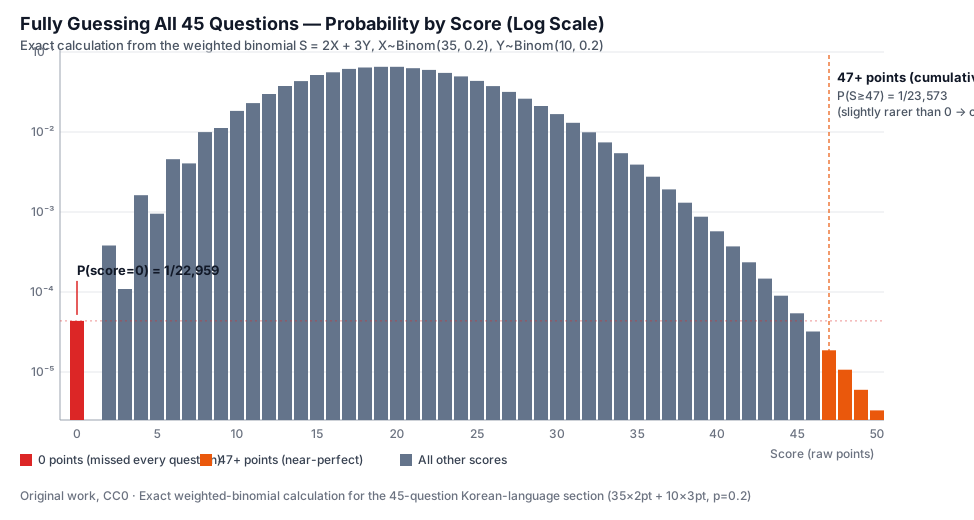
Guess your way through all 45 questions on the Korean-language section of Korea's CSAT and the math says you'll land near 20 points, with a standard deviation of 6.07. But the odds of a flat zero sit in the exact same statistical neighborhood as the odds of scoring 47 or higher. The probability of a perfect 100 is 3.52×10⁻³² — 8,158 times the age of the universe, even with 8 billion people guessing once a second. The twist: that terrible probability comes from question count, not difficulty, until real perfect-scorer data reveals the actual culprit is a handful of killer questions. Run the same math on the redesigned ACT and the odds get even more absurd.
400 Francs Alive, $82.5 Million Dead — What Was Van Gogh's Painting Actually Worth?

400 Francs Alive, $82.5 Million Dead — What Was Van Gogh's Painting Actually Worth?

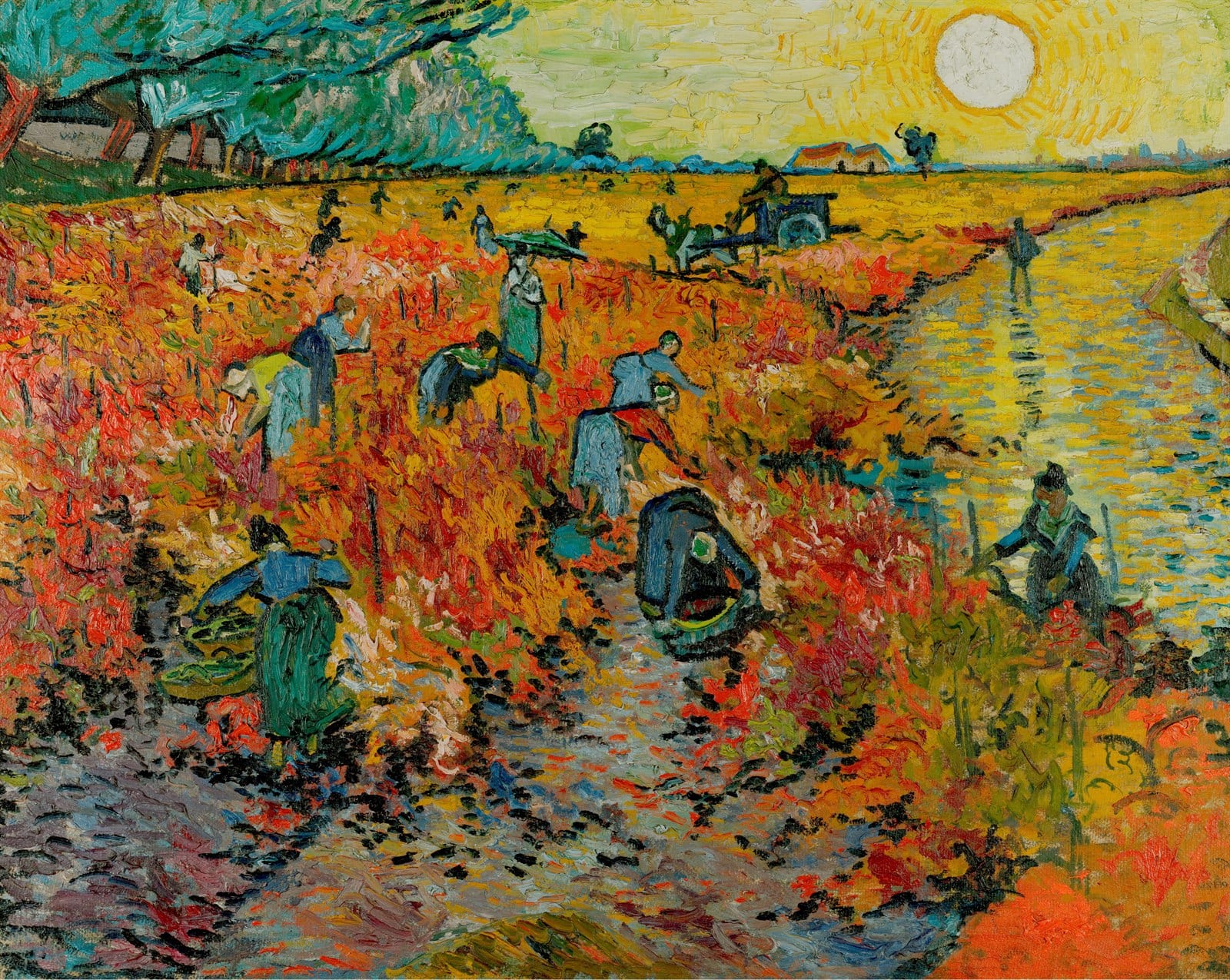
Van Gogh sold exactly one painting in his lifetime — The Red Vineyard, for 400 francs. A century later, Portrait of Dr. Gachet sold at Christie's for $82.5 million. Three conversion methods (gold standard, CPI, wage-indexed) put 400 francs somewhere between $3,300 and $11,600 in today's money, a 3.5× spread that is itself the point. The tragedy multiplier runs from 7,100× to 60,000×. Then the counterexample arrives: Picasso died with ~$750M, and Damien Hirst grossed $200M from a single auction — while still alive.

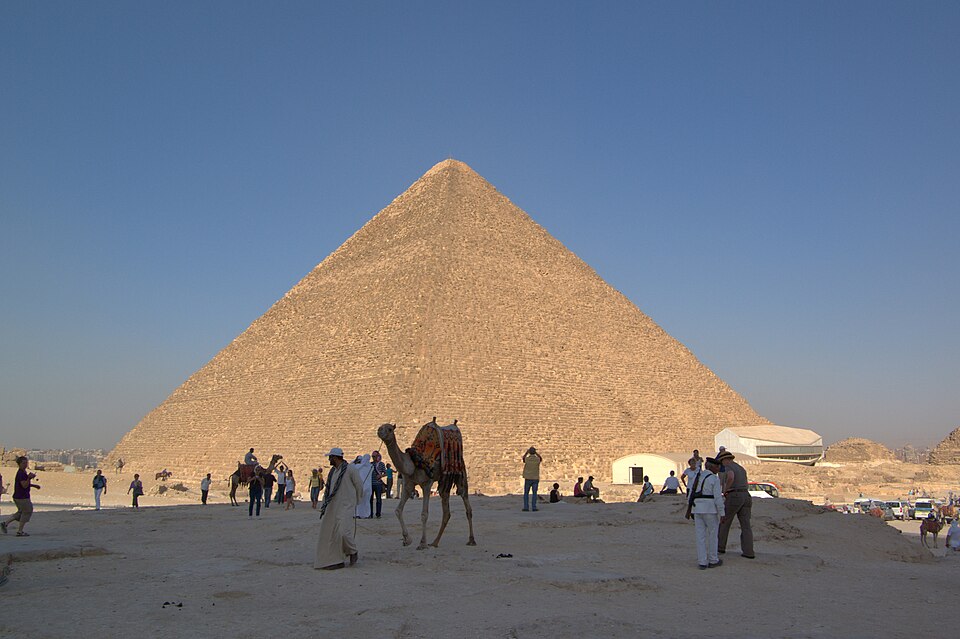
How Much Would the Great Pyramid Cost to Build Today? Three Scenarios — and the Real Measure of Pharaonic Power

How Much Would the Great Pyramid Cost to Build Today? Three Scenarios — and the Real Measure of Pharaonic Power

Three parallel calculations on what the Great Pyramid would cost in today's money: modern heavy equipment runs ~$1.5B; ancient hand-quarrying at global construction wages runs ~$22B; the grain rations Khufu actually paid convert to as little as $253M. But how much he 'underpaid' swings from 1× to 87× depending on how you value ancient labor — and the figure that doesn't move is the real measure of his power: locking 2.75% of the workforce onto one building for a generation.

What Does a $3.30 Coffee Actually Cost? Land, Carbon, and Labor

What Does a $3.30 Coffee Actually Cost? Land, Carbon, and Labor

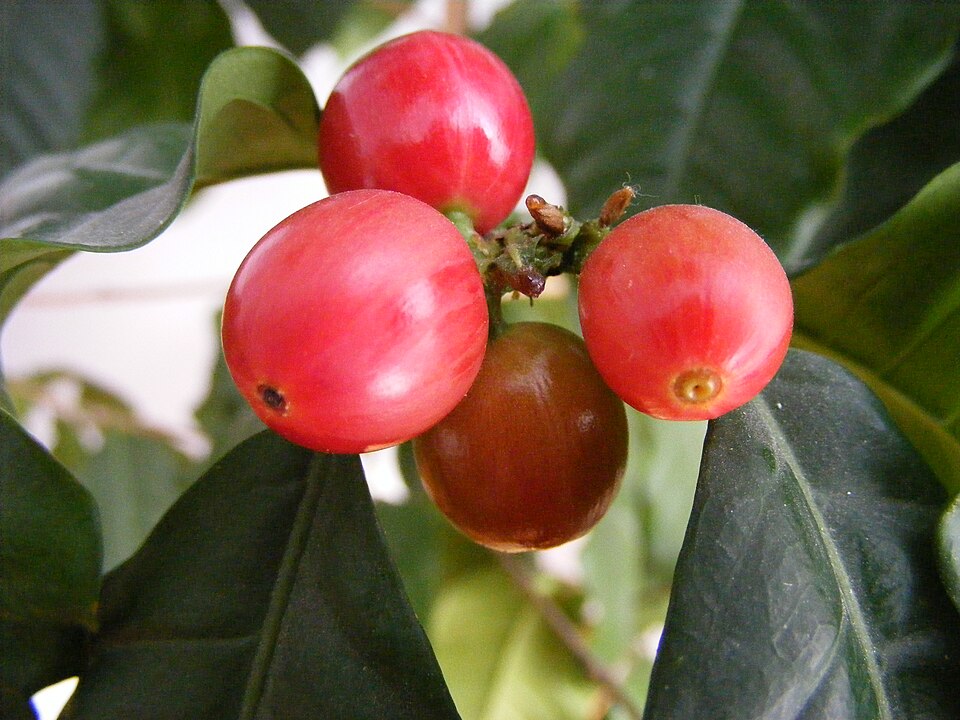
A single americano hides three numbers your receipt doesn't show: 0.78 m² of farmland, 0.067 kgCO₂e of carbon (ten times more if you add milk), and USD 0.0012 in harvest wages — 0.035% of the cafe price. Three lenses, one cup, all the math shown.

How Many Times Must You Use a Tote Bag to Break Even?

How Many Times Must You Use a Tote Bag to Break Even?

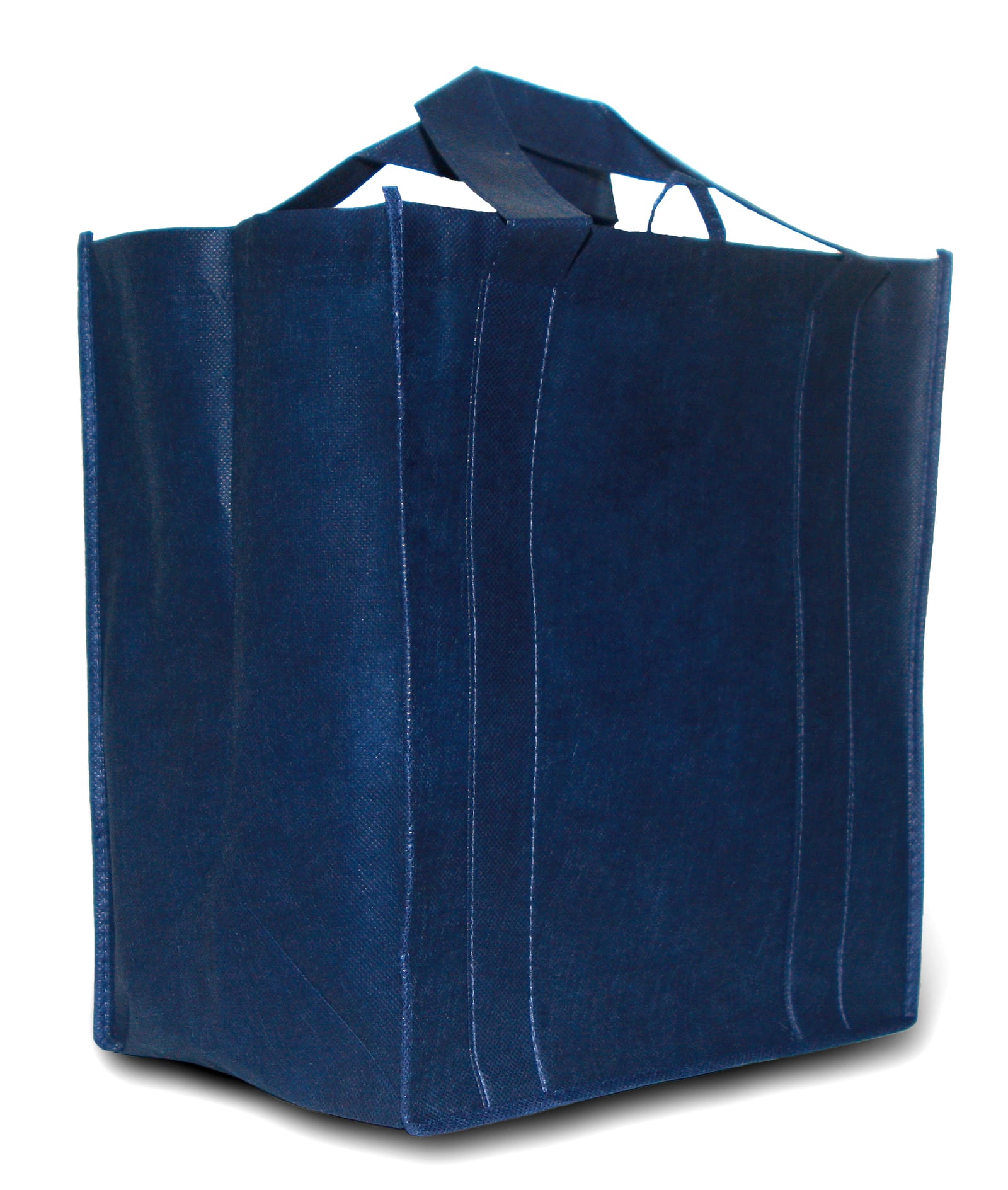
A cotton tote bag has a much larger production footprint than a plastic bag. The break-even point is 52–131 uses under GWP alone, or up to 7,100 uses if ozone depletion is factored in. Average real-world use? About 51 times. And individual savings amount to roughly one 89-billionth of the annual global production growth in carbon terms. Two reversals, one calculation.