Physics & Science

Calculations grounded in physics, chemistry, biology, and the wider natural sciences

New York to Los Angeles: The Lowest-Energy Way to Travel?

New York to Los Angeles: The Lowest-Energy Way to Travel?

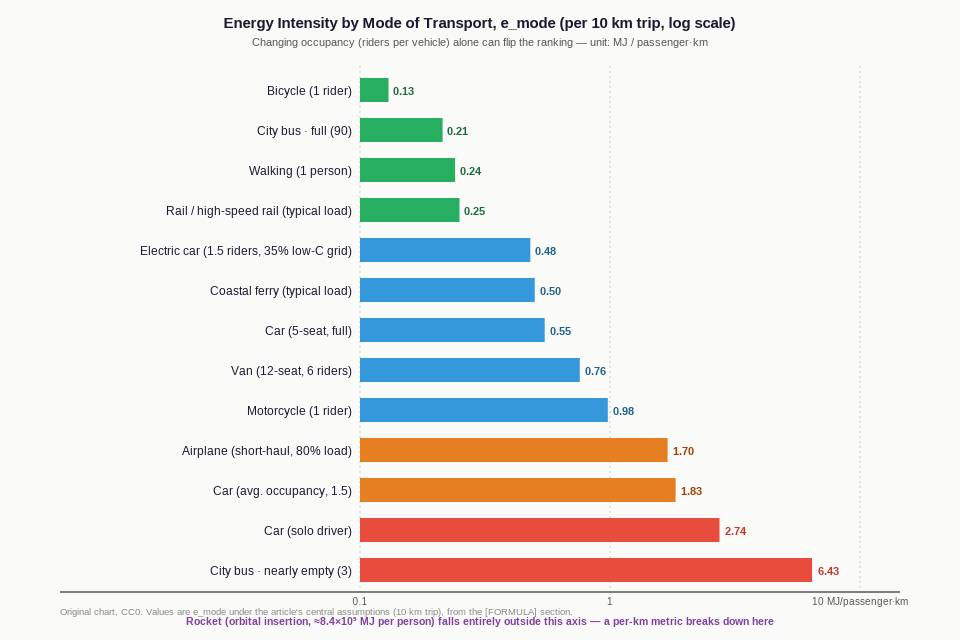
A 10 km commute by car uses far more energy per passenger than a bus — unless the bus is nearly empty. We break down energy intensity (MJ per passenger-km) across eleven transportation modes, from walking to electric cars to rockets, then apply it to one real trip — New York to Los Angeles, about 3,940 km (2,450 mi) — to see which one actually wins, and how badly occupancy and grid mix can reverse the rankings.
If a Global Flood Diluted the Ocean, Why Is It Still Salty? Three Models, and a Verdict for the Fish

If a Global Flood Diluted the Ocean, Why Is It Still Salty? Three Models, and a Verdict for the Fish

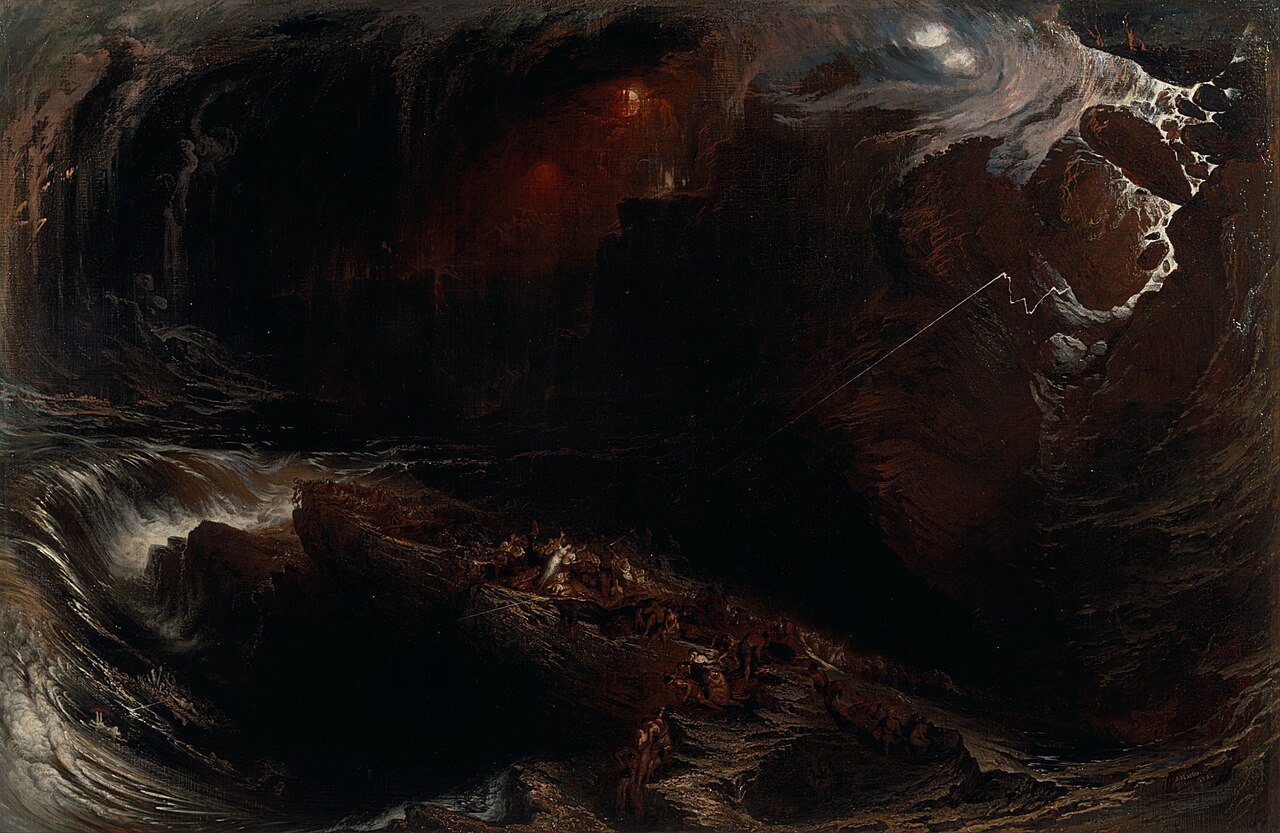
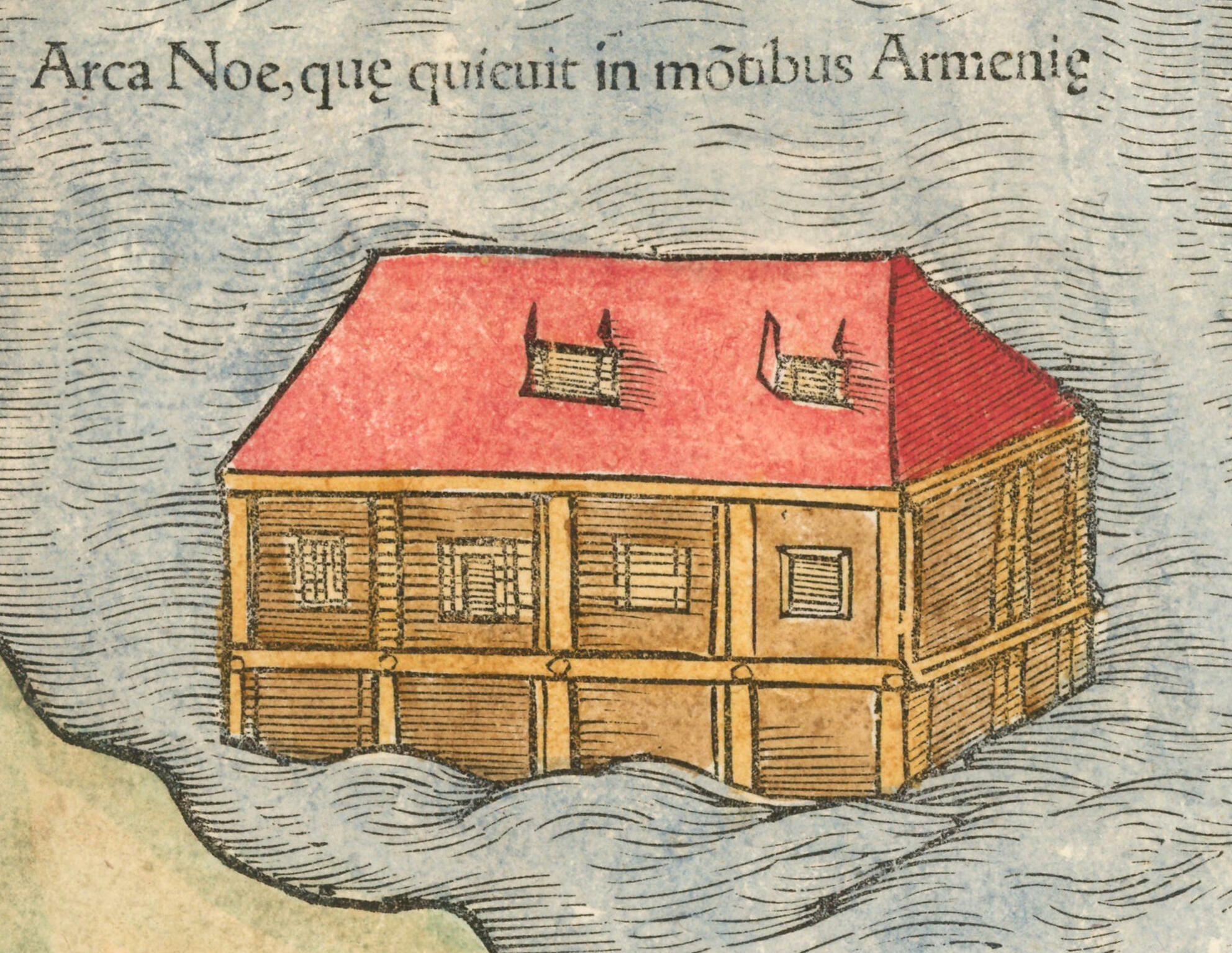
If the whole world flooded with fresh water, why would the ocean still end up salty? We run three models side by side — a fixed-geography dilute-then-recover model, a Pangaea / catastrophic-tectonics back-calculation, and a third that asks whether the flood water itself was fresh or salty to begin with. None of the nine resulting scenarios leaves a salinity band where freshwater and saltwater fish could both survive.

If the Spanish Armada Had Dropped a Plastic Bottle, Would It Be Gone by Now?

If the Spanish Armada Had Dropped a Plastic Bottle, Would It Be Gone by Now?

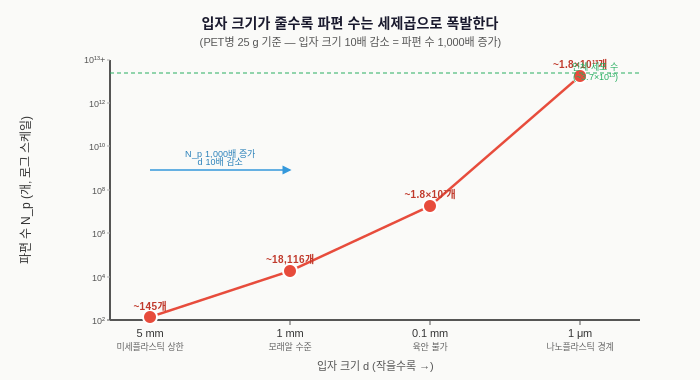
A PET bottle tossed into the English Channel during the Spanish Armada (1588) would still be intact today — with 12 years left on the clock. PET takes roughly 450 years to degrade in marine conditions, and that timeline gets much worse in a landfill. We calculate polymer breakdown timelines, the cube-law fragmentation math that turns one bottle into 18 trillion particles, and why NOAA still can't give you a definitive answer.