Everyday Life

Calculations about the absurd questions that pop up in daily life

If the Spanish Armada Had Dropped a Plastic Bottle, Would It Be Gone by Now?

If the Spanish Armada Had Dropped a Plastic Bottle, Would It Be Gone by Now?

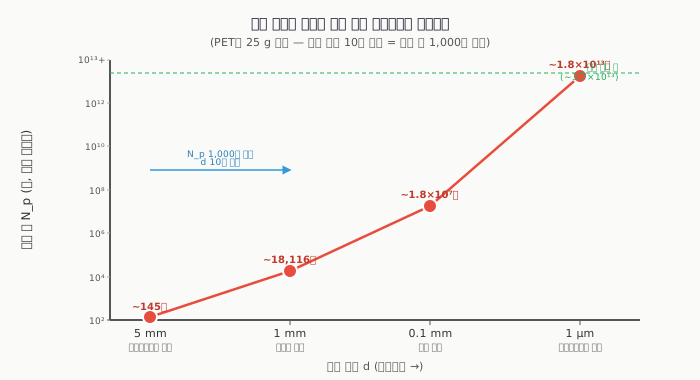
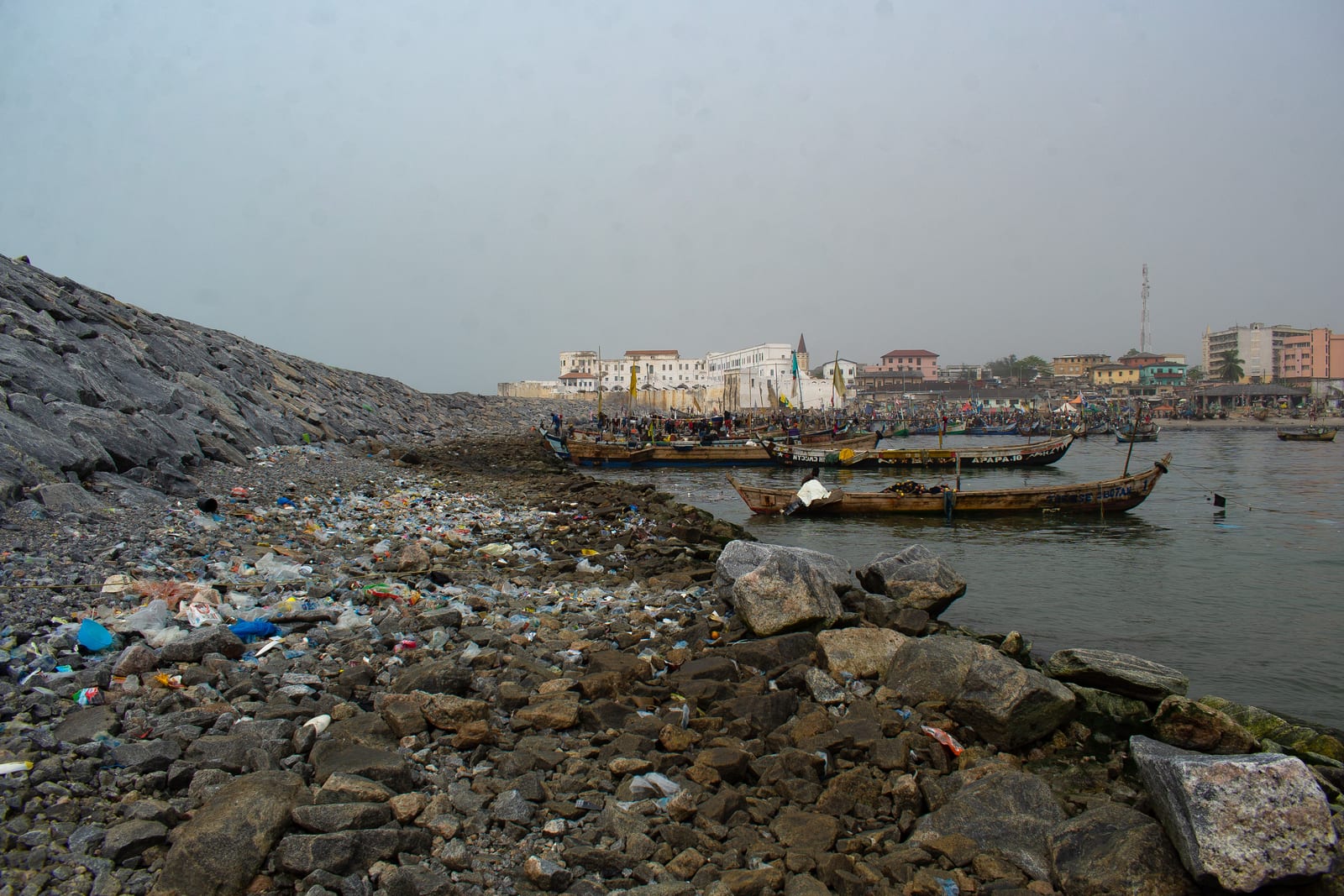
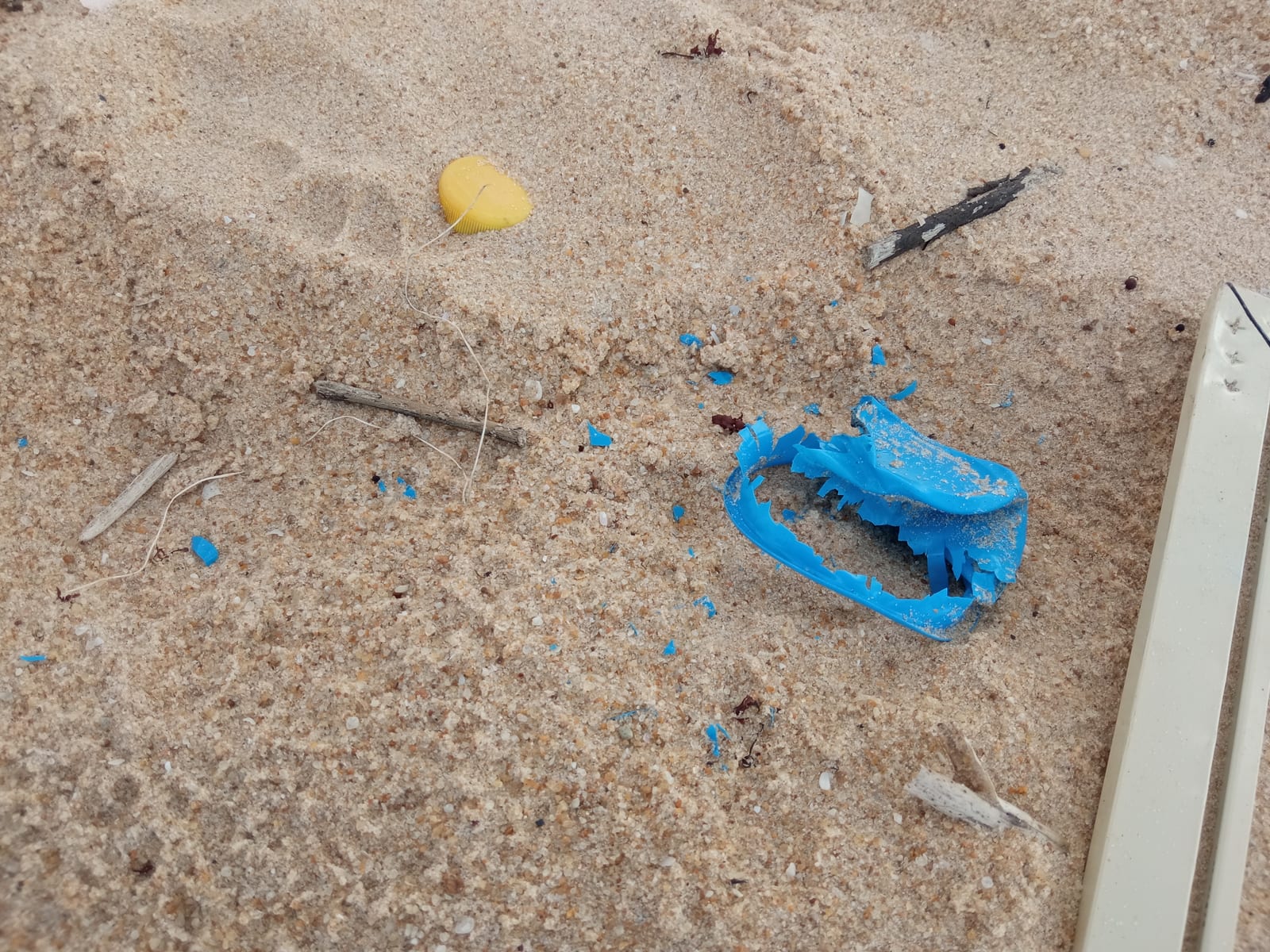
A PET bottle tossed into the English Channel during the Spanish Armada (1588) would still be intact today — with 12 years left on the clock. PET takes roughly 450 years to degrade in marine conditions, and that timeline gets much worse in a landfill. We calculate polymer breakdown timelines, the cube-law fragmentation math that turns one bottle into 18 trillion particles, and why NOAA still can't give you a definitive answer.

Your One Ton of Plastic: How Much of Humanity's Plastic Is Actually Yours?

Your One Ton of Plastic: How Much of Humanity's Plastic Is Actually Yours?

Since 1950, humanity has produced roughly 8.3 billion tonnes of plastic. Split evenly by world population, that comes to over a tonne per person — yet only 9% was ever recycled, and 886 kg of your share is sitting in a landfill or the ocean right now. We run the numbers and show how much the recycling rate actually matters.

One Elephant's Worth: How Much Stool Does a Human Produce in a Lifetime?

One Elephant's Worth: How Much Stool Does a Human Produce in a Lifetime?

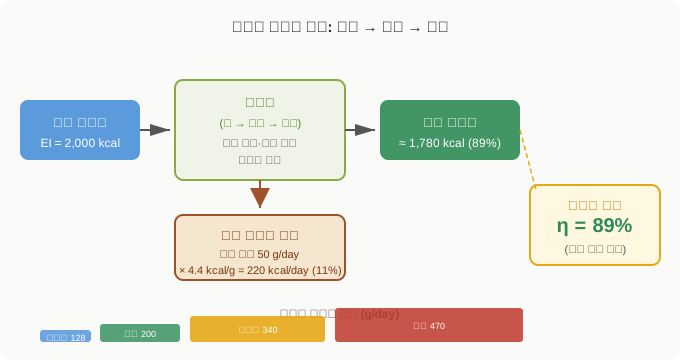
Over a lifetime, a human produces roughly 5,249 kg of stool — about the weight of an adult African elephant. We calculate what fraction of your daily calories exits unused, why a vegan diet scores 74% digestive efficiency while a low-fiber diet hits 93%, and what Kleiber's Law tells us about why mice produce more waste per kilogram than elephants.